Crypto
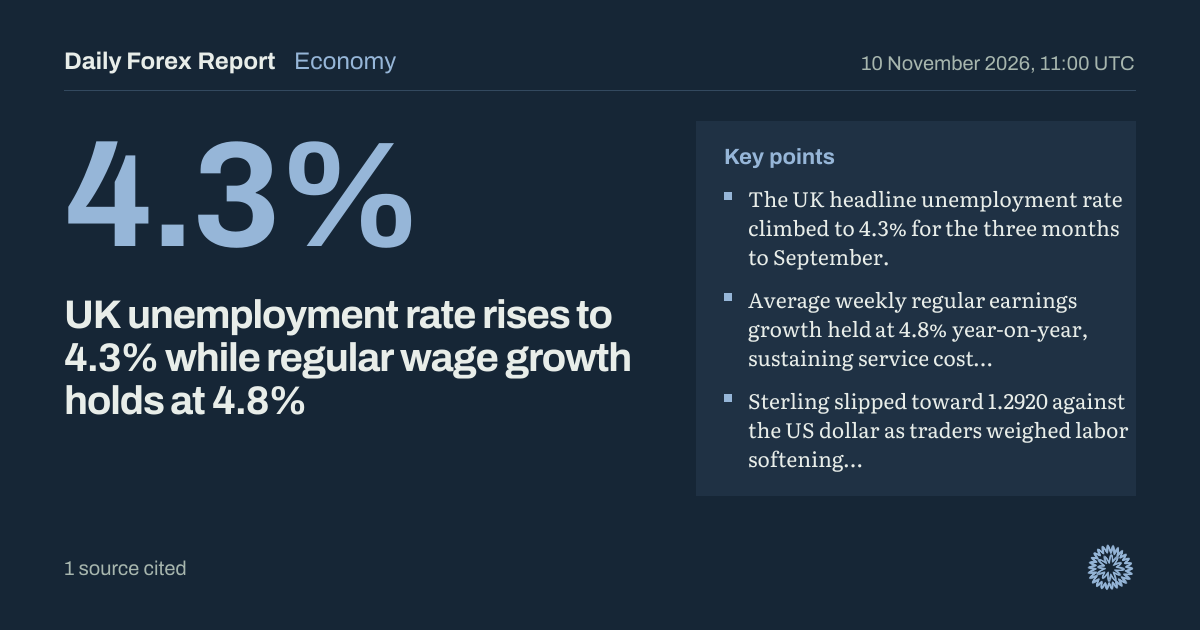
Bitcoin climbs past $82,000 as CFTC data reveals surge in dollar longs
Bitcoin advanced past $82,000 on Saturday supported by $300 million in weekly ETF demand, while CFTC reports showed hedge funds boosting net long US dollar exposure to six-month peaks.
Key points
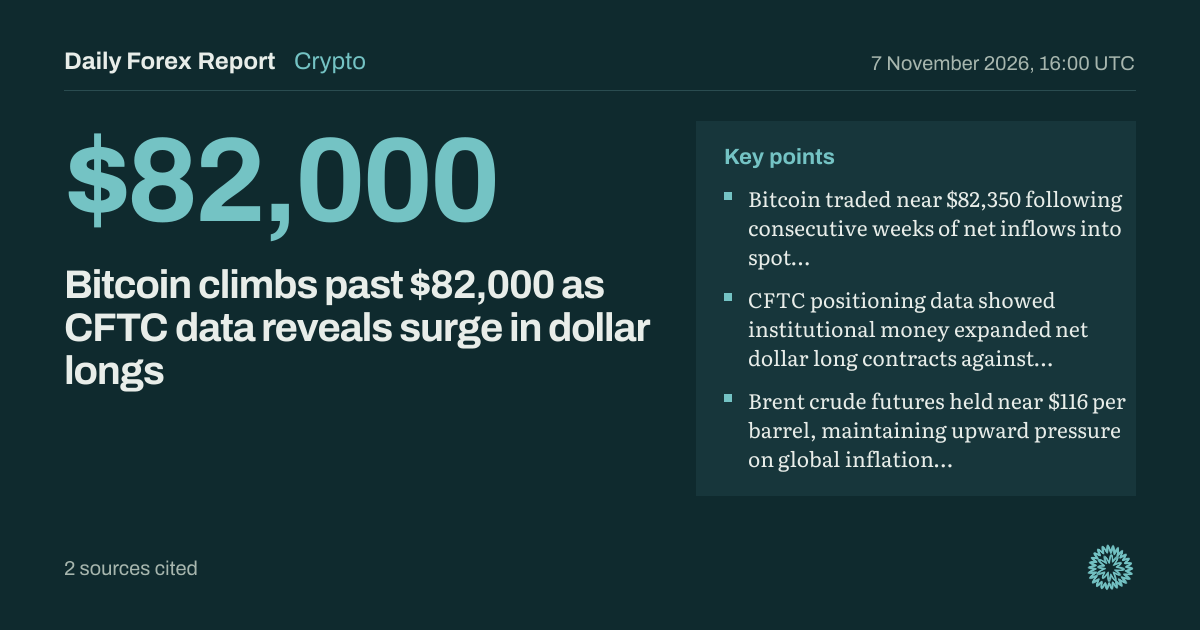
- Bitcoin traded near $82,350 following consecutive weeks of net inflows into spot exchange-traded funds.
- CFTC positioning data showed institutional money expanded net dollar long contracts against major peers.
- Brent crude futures held near $116 per barrel, maintaining upward pressure on global inflation expectations.
Digital asset markets extended upward technical momentum heading into the weekend as Bitcoin advanced beyond the 82,000 dollar barrier on Saturday, November 7, establishing fresh multi-week highs despite elevated sovereign borrowing costs across international debt markets.
The benchmark cryptocurrency traded near 82,350 dollars during Saturday afternoon trade, buoyed by sustained institutional demand across regulated investment vehicles. Total weekly net inflows into US spot Bitcoin exchange-traded funds crossed 300 million dollars, signaling robust corporate balance sheet allocations that comfortably absorbed selling pressure generated by rising US government bond yields.
Simultaneously, the Commodity Futures Trading Commission published its weekly Commitments of Traders report, providing a detailed breakdown of speculative positioning across futures exchanges. The data confirmed that managed money accounts and macro hedge funds accelerated net long US dollar positioning to fresh six-month highs, while reducing bullish wagers on the euro and sterling. Traders cited robust US employment figures and elevated crude oil benchmarks near 116 dollars per barrel as primary rationales for maintaining long dollar exposure.
The confluence of persistent greenback strength and Bitcoin technical resilience highlights a bifurcation in financial market flows. While speculative retail liquidity remains constrained by restrictive interest rates, institutional allocators are increasingly treating Bitcoin as an alternative monetary asset within multi-currency reserves. Derivatives open interest expanded moderately over the weekend, reflecting balanced perpetual funding rates ahead of upcoming central bank speaking engagements.